 dtdrivingschool.co.uk – Driving News & Safety Tips
 dtdrivingschool.co.uk – Driving News & Safety Tips
In today's high-pressure world, maintaining cardiovascular health often gets overlooked. The ease of access to processed foods, coupled with sedentary habits and persistent stress, has fueled a surge in cardiovascular diseases. Globally, these diseases, including heart attacks, are a primary cause of mortality, accounting for an estimated 17.9 million deaths in 2019 (WHO), which represents 32% of all deaths worldwide that year. Heart attacks and strokes make up 85% of these fatalities.
While many assume that specialized diets, low-carb regimens, and medications are the only keys to heart health, the reality is that your everyday lifestyle choices have a far greater impact.
Here are five practical tips to naturally strengthen your heart:
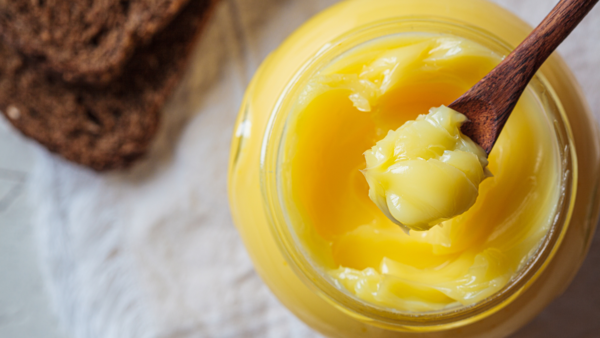
Ghee, often unfairly villainized, can be beneficial. When consumed in moderation, especially in its pure, homemade form, ghee provides saturated fats and fat-soluble vitamins A, D, E, and K. These nutrients aid digestion and promote heart health by supporting antioxidant absorption and maintaining the flexibility of arteries. Don't fear ghee; just use it wisely. Moderation is key.
Healthy fats are crucial for hormone and cell function, and for your heart health. Nuts like cashews and coconuts, along with their oils, are packed with essential fatty acids, magnesium, and antioxidants. These nutrients can lower bad cholesterol (LDL) and increase good cholesterol (HDL), offering protection against heart disease. Making informed dietary choices can be the difference between a sluggish and a thriving heart.

It's time for a kitchen makeover. Packaged foods are commonly loaded with trans fats, excessive sodium, and artificial additives, all detrimental to the heart. These ingredients contribute to plaque buildup in arteries, elevated blood pressure, and inflammation. Substituting packaged snacks with whole foods like fruits, seeds, and nuts is a simple yet effective step toward heart protection.
Even moderate alcohol consumption can put stress on your cardiovascular system. It can increase blood pressure, disrupt regular heart rhythms, and lead to weight gain and liver stress, all of which weaken the heart over time. Choosing to reduce or eliminate alcohol is a decision your future self will appreciate. The health risks associated with alcohol begin from the very first sip.

Many believe that cardio is the only exercise necessary for cardiovascular health, but strength training is equally important. Weightlifting or resistance training enhances circulation, reduces resting blood pressure, and increases overall muscle mass, thereby improving metabolic health. Additionally, prioritize a balanced and nutritious diet rich in vegetables, fruits, whole grains, and healthy fats. A stronger body supports a healthier heart.
Disclaimer: This information is for educational purposes only and does not substitute professional medical advice. Consult with a healthcare provider before making any significant lifestyle changes.
Newer articles
Older articles

 Warning Signs: 5 Early Colon Cancer Symptoms You Shouldn't Ignore
 Benefits of using a wooden comb: How it helps to reduce hair fall and frizz
 MLC 2026 Season Set to Launch June 18 Amid USA Cricket Governance Concerns
 Cummins Aims for Bowling Comeback One Month Before Ashes Series
 Bangladesh Prepares for Asia Cup Clash, Warns Against Underestimating Hong Kong
 Hobart's Bellerive Oval to Stage Two India Women's ODIs in 2026 Series
 Rice Coma: The Science Behind Post-Meal Drowsiness and How to Combat It
 Ngidi Out: Hamstring Injury Forces South Africa Pacer to Miss England T20Is; Burger Called Up
 Smoking's Toll on Your Skin: 16 Ways Tobacco Ruins Your Complexion
 Kuldeep Yadav's T20I Comeback: India Crushes UAE in Asia Cup Opener After 7-Year Wait